Arctic
Haskap
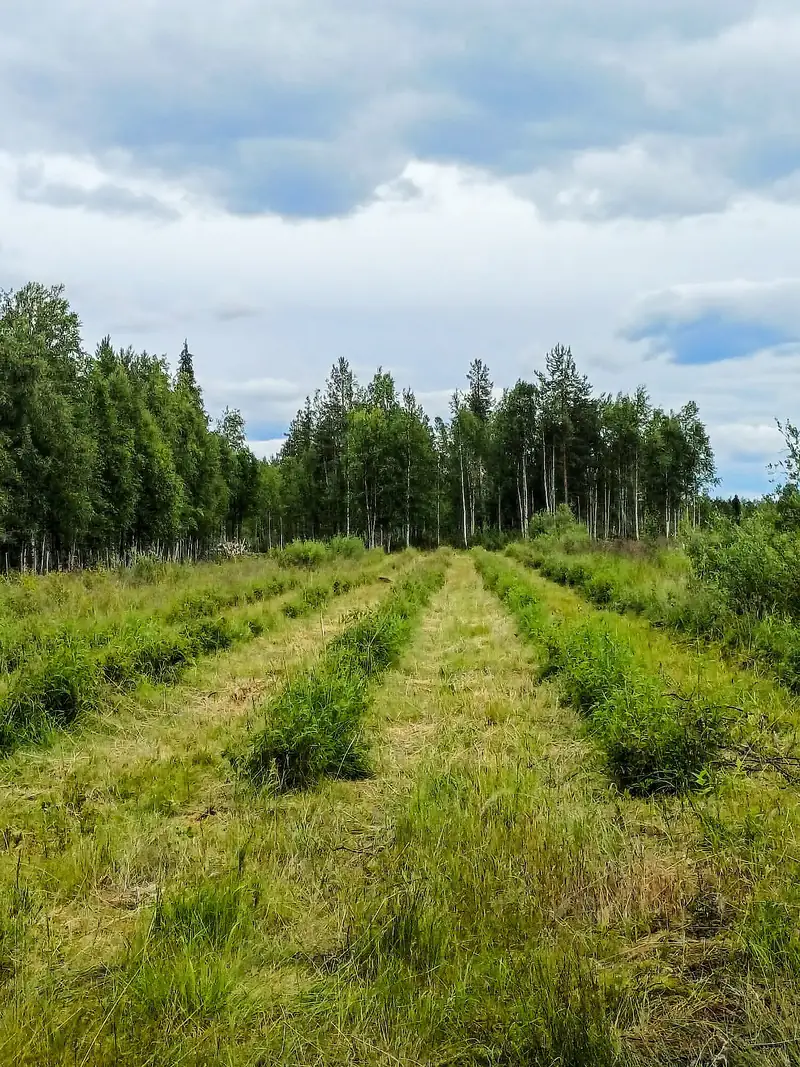
Organic Arctic haskap from one of the northernmost berry farms in the world. Our family farm is located in Posio, Finnish Lapland, where long, freezing winters, protective snow cover and the midnight sun create a unique growing environment for haskap. We care for the soil and plants on nature’s terms — northern light, a clean growing environment and living soil do the rest.
A DEEP-BLUE BERRY WITH AN EXCEPTIONAL COMPOSITION
Haskap, also known as the honeyberry, is the edible fruit of the blue honeysuckle. It resembles an elongated blueberry, but its flavour is distinctive: in a ripe berry, sweetness and fresh acidity are balanced, with notes reminiscent of raspberry and blackcurrant.
From Asia, through Canada, to Posio.
Blue honeysuckle (Lonicera caerulea) grows wild in northern forests across Asia, Europe and North America. Cultivars bred for fruit production are commonly known as haskap or honeyberry.
The name haskap comes from the Ainu people of northern Japan. The berry has been used in Hokkaidō for centuries, and in Japan it is known as the berry of eternal youth — a reference to Ainu tradition, where it is associated with longevity and good eyesight. Haskap is still relatively new in Europe: in December 2018, the EU authorised the placing on the market of Lonicera caerulea berries as a traditional food from a third country.
Haskap benefits greatly from cross-pollination. We grow three Boreal cultivars bred by the University of Saskatchewan in Canada. We chose them especially because they flower and ripen later than many other haskap cultivars. Their later growth rhythm is well suited to Posio, where spring arrives slowly and the growing season begins late.
- Boreal Beauty – large, firm and juicy berries
- Boreal Beast – medium-sized, firm and exceptionally aromatic berries
- Boreal Blizzard – very large, sweet berries with mild acidity
The berry’s deep-blue colour comes from anthocyanins, the most prominent of which is cyanidin-3-glucoside. Haskap also contains other polyphenols, iridoids that are uncommon in edible fruits, vitamin C, and other vitamins and minerals. Studies have found that these compounds give haskap a high antioxidant capacity, making it an exceptionally valuable berry from a nutritional perspective.
In addition to the general research, we want to know exactly what our own berries contain. We will commission laboratory analyses of our first commercial harvest to determine, among other things, vitamin C, anthocyanin and polyphenol concentrations, as well as the berries’ antioxidant capacity. We will publish the results openly on this website once they are available.
We do not till the soil. We let it do its work.
Further south, and with more intensive methods, higher yields are possible. We have deliberately chosen a different starting point: our aim is not the largest possible harvest, but the highest possible berry quality while protecting the natural values of the site. We believe that a high-quality berry begins with living, healthy soil. Rather than trying to replace the soil’s own functions with heavy fertilisation, we maintain its natural nutrient cycle and allow the haskap to grow at its own pace. We monitor the wellbeing of the soil and plants and add nutrients only when a demonstrated need arises.
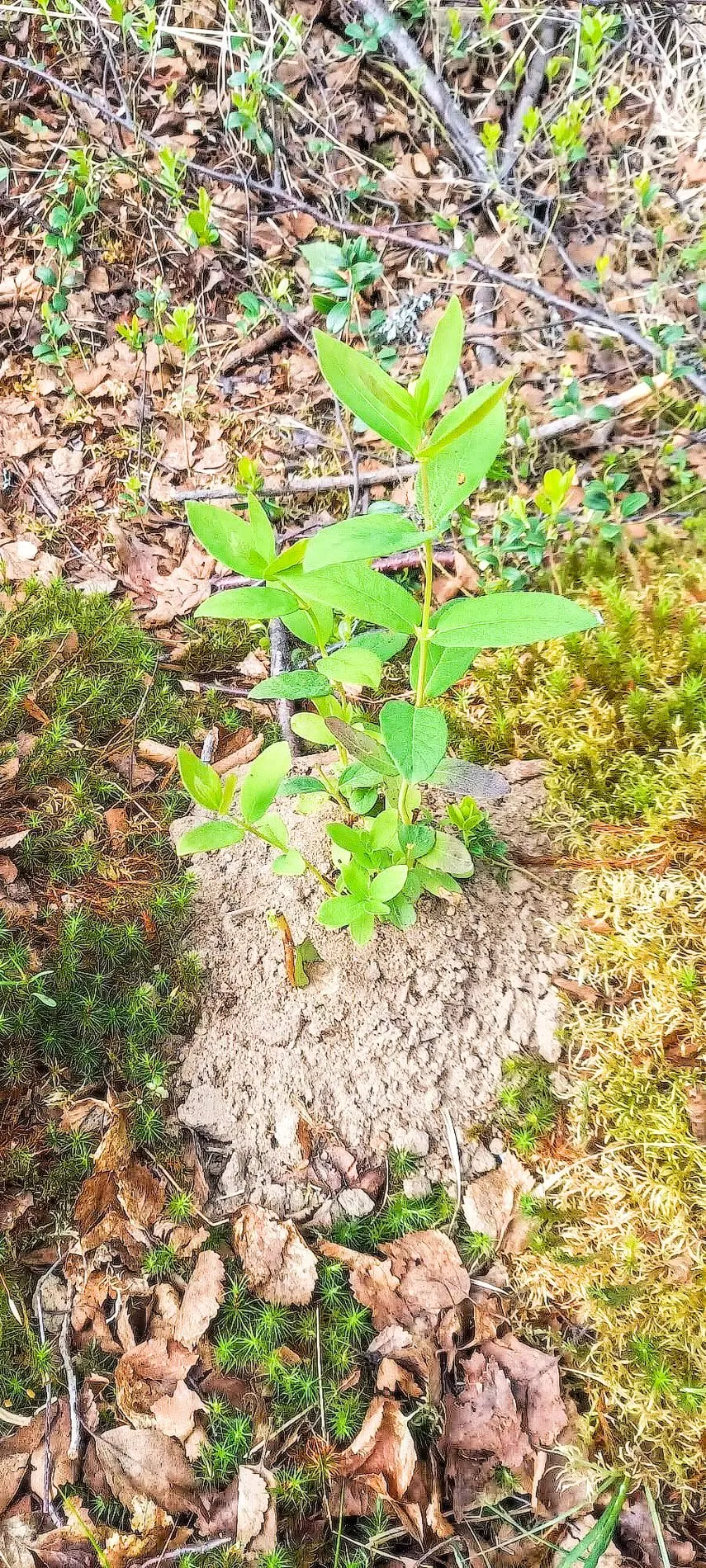
We grow haskap organically and according to regenerative no-till principles. When planting, we made only the small planting hole needed by each plant. Otherwise, we left the roots of the existing vegetation and the fungal networks undisturbed.
Permanent vegetation cover protects the soil throughout the year, maintains its structure and provides a habitat for soil organisms. We leave the cut vegetation in the field to return organic matter and nutrients to the soil. In this way, we support the soil’s natural fertility.
OUR JOURNEY TO BECOMING A HASKAP FARM
The field in nature’s care
The field has never been used for intensive agriculture. Hay was last grown there on a small scale by a single family in the 1960s. After that, the field was left in nature’s care: meadow vegetation developed at its own pace, and passing reindeer grazed there from time to time.
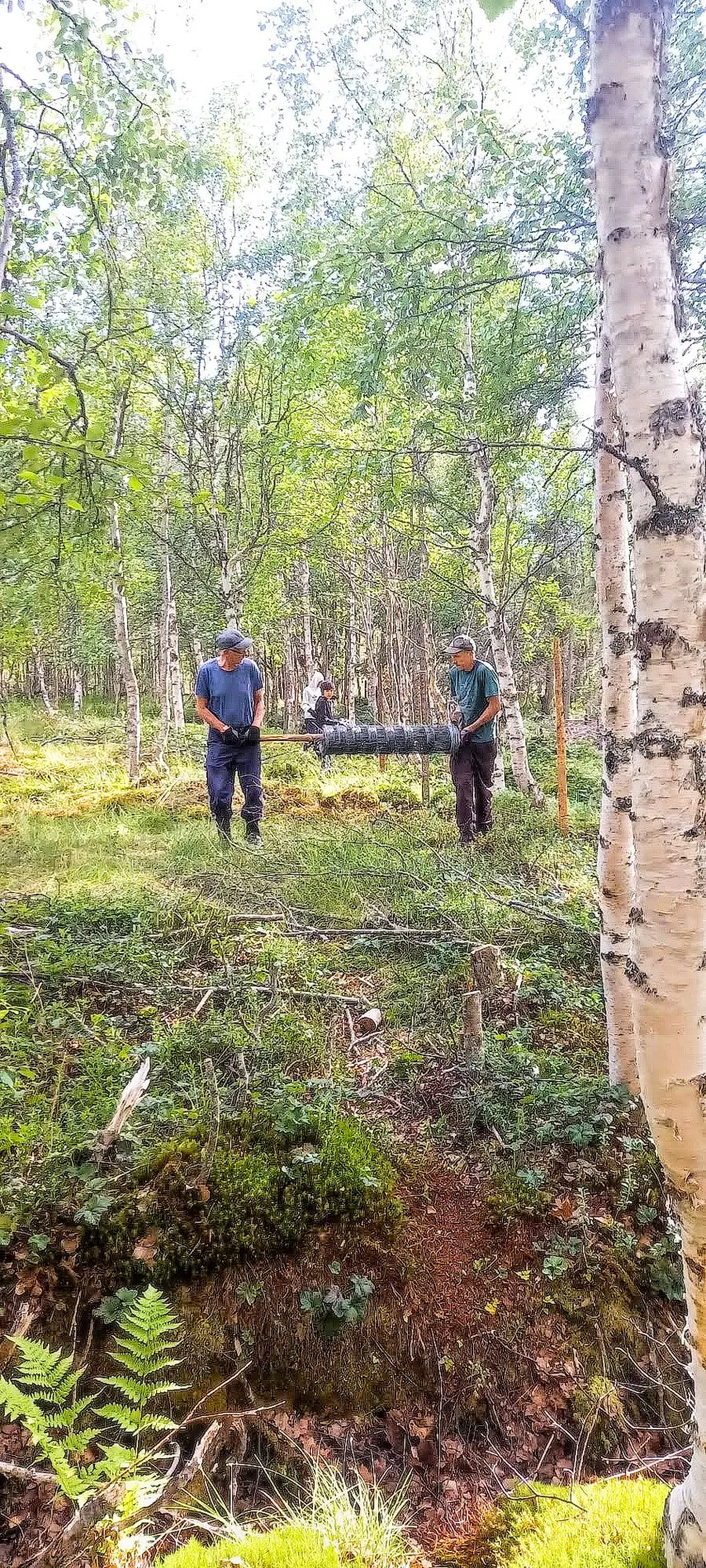
Woodland plants also spread into the field from the surrounding forest and continue to enrich its diversity. Forest surrounds the field in every direction, providing benefits associated with agroforestry and supporting the field’s water balance. A lake lies 100–300 metres away to the south, west and north, increasing humidity, moderating temperature fluctuations and reducing the risk of night frosts.
Different willow species, junipers, birch scrub and other wild shrubs grow along the ditches, increasing biodiversity and providing shelter and food for pollinators and other insects.
Haskap cultivation begins and the farm enters organic certification
The first haskap plants were planted in May 2023. A total of 5,000 plants were planted in the field during the spring. The soil was not tilled; only a small planting hole was made for each plant.
That summer, the field was mown for the first time in decades. In addition, declining downy birches were felled along the ditches. The cut branches and woody debris were left in the field to decompose, returning organic matter to the field’s natural nutrient cycle.
The orchard expands and the field’s vegetation cover is diversified
A further 4,000 plants were planted in spring 2024, bringing the total to 9,000.
The vegetation cover that had developed in the field over decades was supplemented with a diverse green-manure seed mixture. This vegetation is not harvested as a crop; its role is to care for the soil around the haskap plants.
The mixture was sown directly into the meadow vegetation while it was still dormant after winter, without tilling the soil or removing the existing plants. In this way, the new vegetation supplements and diversifies the permanent cover that has developed in the field over decades.
The mixture contains timothy, fescue species, red clover, white clover, alsike clover and alfalfa. Through bacteria in their root nodules, the clovers and alfalfa fix atmospheric nitrogen into the field’s nutrient cycle. The grasses retain nutrients, while the plants’ different root systems support soil structure and soil life.
The plants grow stronger
By 2025, most of the plants had survived their first growing years well and adapted to the northern conditions. For the first time, they received a small dose of fertiliser permitted in organic production, applied directly to their root zones.
Since the planting year, the crop has also been supported annually with foliar biostimulants. They do not replace fertilisation; their purpose is to support root development and the plants’ ability to withstand stress caused by changing weather conditions.
First product trials
The orchard is already producing a small trial harvest, allowing us to conduct our first product trials in cooperation with Lapland University of Applied Sciences. These trials lay the groundwork for developing future haskap products before the first commercial harvest.
All haskap used in our future products will be certified organic produce from our own farm and traceable to the field.
First commercial harvest planned
During flowering, hardworking bees from the local area arrive to help with pollination — thank you, Medenneitojen Hunaja!
In summer 2027, our aim is to gather the farm’s first commercial harvest. We will use a berry harvester rather than picking by hand. This allows the whole crop to be gathered at once at its optimal stage of ripeness.
The same berry under two completely different skies.
Northern winter
Long season of frost and snow · October–AprilIn October, the days shorten quickly and winter arrives. The cold keeps the haskap dormant, while deep snow insulates the soil and protects the roots from the hardest frosts. As the northern lights glow overhead, nature rests beneath the snow and prepares for a new growing season.
White summer night
Midnight sun · June–JulyAround midsummer, the sun does not set in Posio for weeks. Light around the clock gives haskap ample time for photosynthesis and supports the growth and ripening of the berries. During the short northern summer, nature is filled with the force of growth.
Monthly daylight hours
In the north, the length of the day moves between extremes over the year: in midwinter there are only a few hours of daylight, while in midsummer the sun remains above the horizon throughout the night. A long winter dormancy and the midnight sun create a northern rhythm for haskap, concentrating growth and berry ripening into a short but luminous summer.
Source: Calculated for the farm’s coordinates (66°20′35″ N) using an established sunrise and sunset algorithm that accounts for atmospheric refraction. See also the University of Helsinki Almanac Office (almanakka.helsinki.fi).
Highest and lowest temperatures measured each month
These records were set at different times over a long observation history, not within a single year. The vast variation between July heat and January frost reflects the powerful northern cycle of the seasons — conditions to which haskap is naturally adapted.
Nearest weather station: Kuusamo Rukatunturi (FMISID 101897), approximately 47 km from the farm · Data: 5 Nov 1993–23 Jul 2026 · Source: Finnish Meteorological Institute open data
Arctic Haskap
Photos and videos from the farm
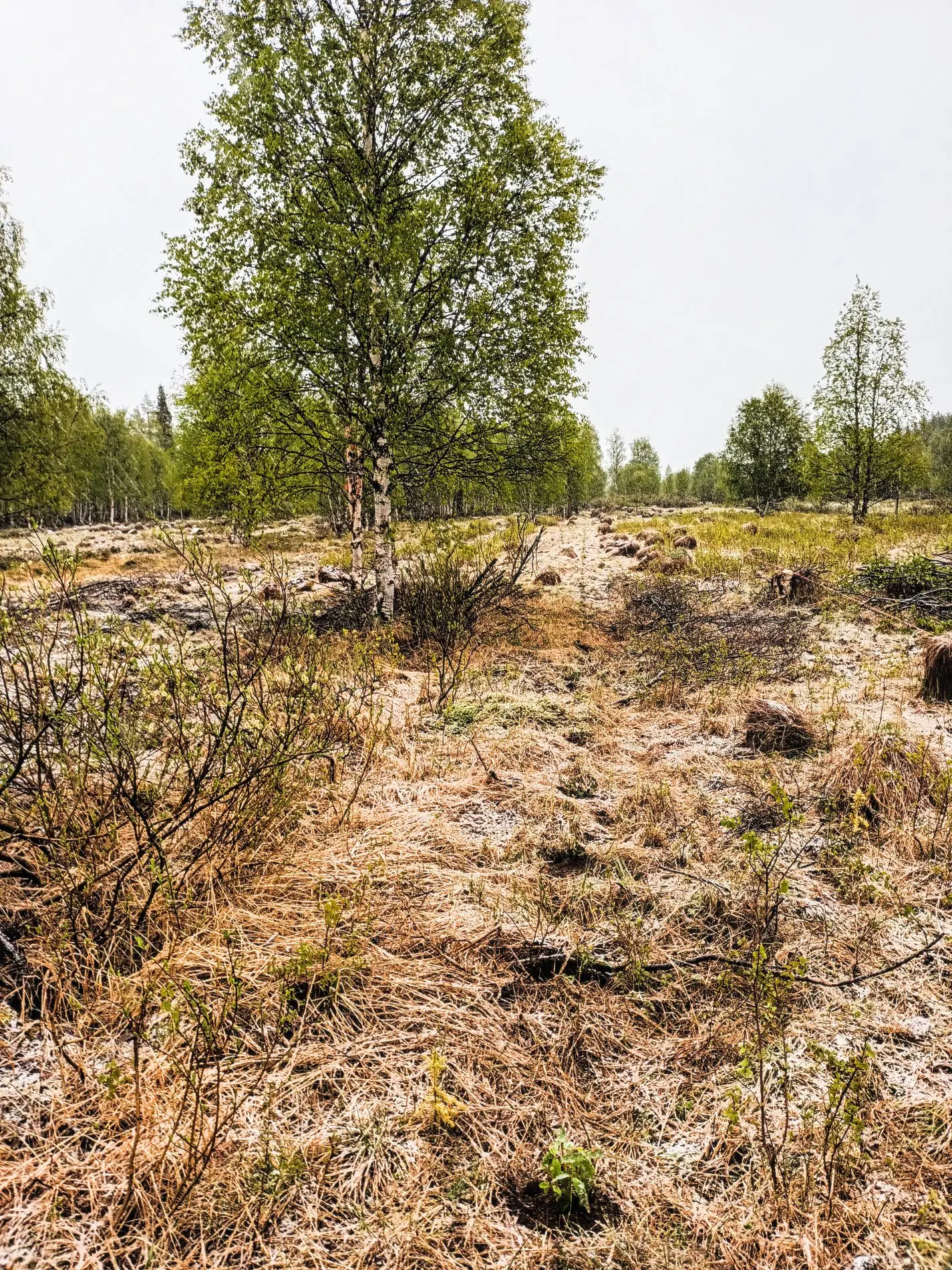
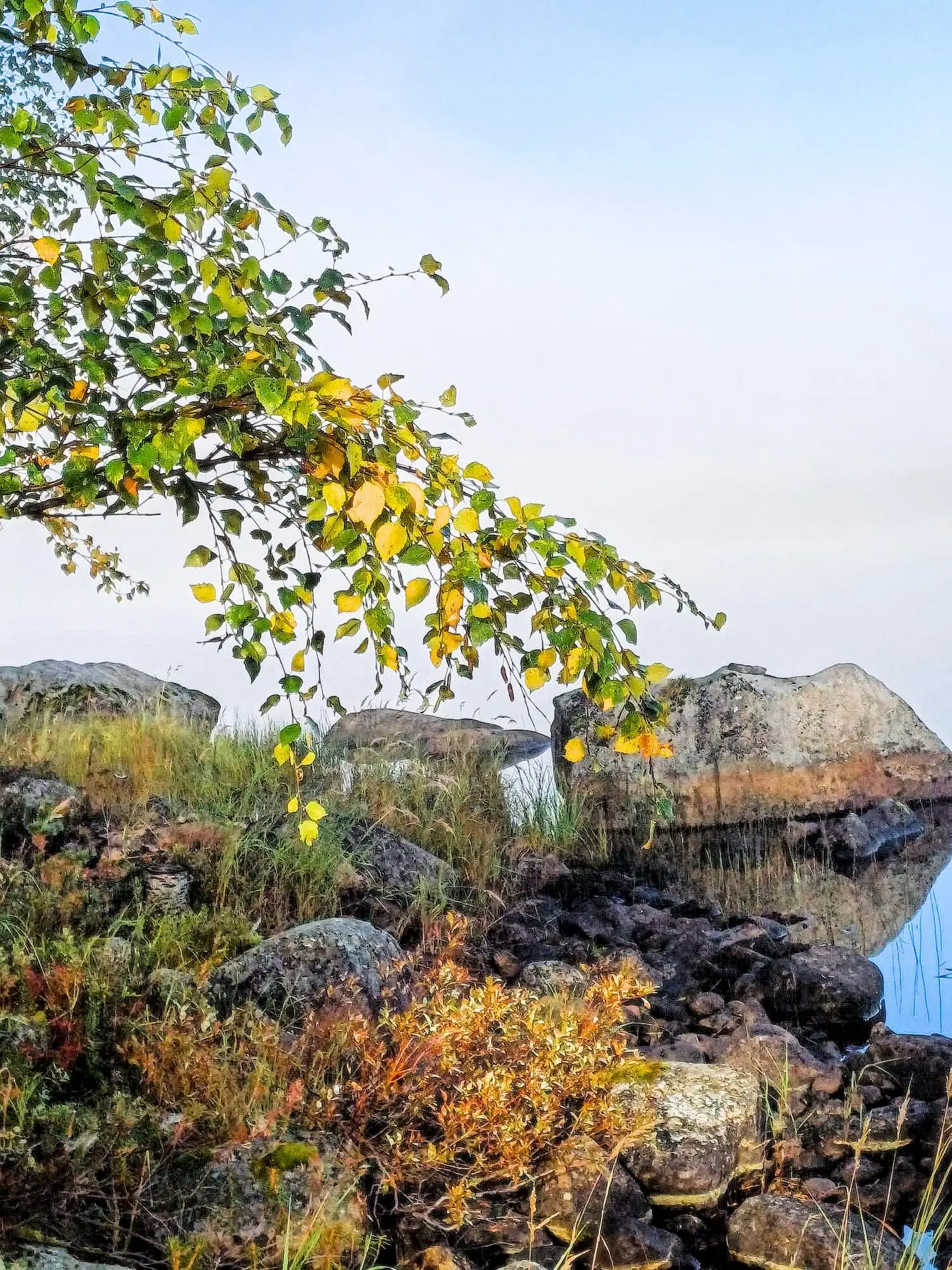
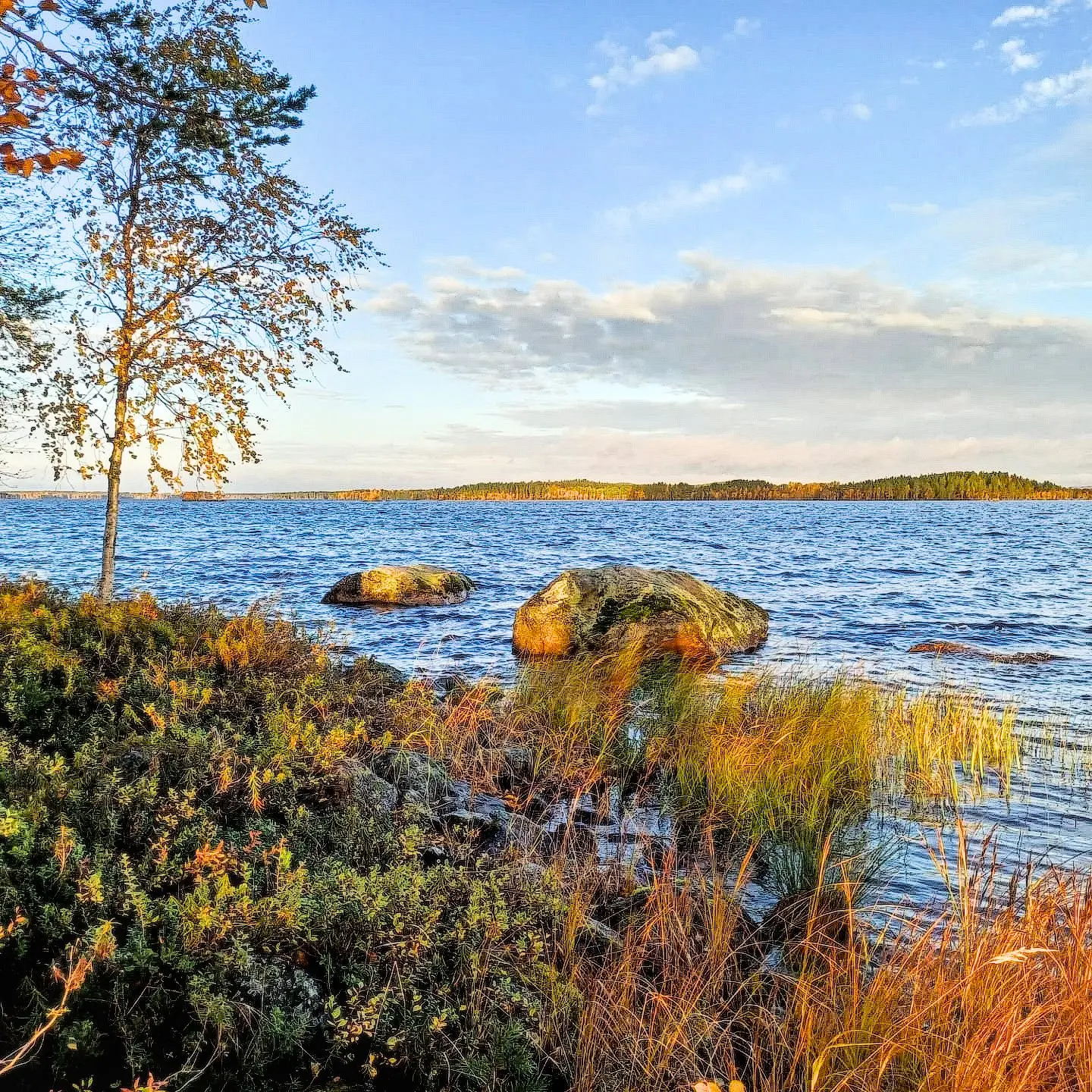
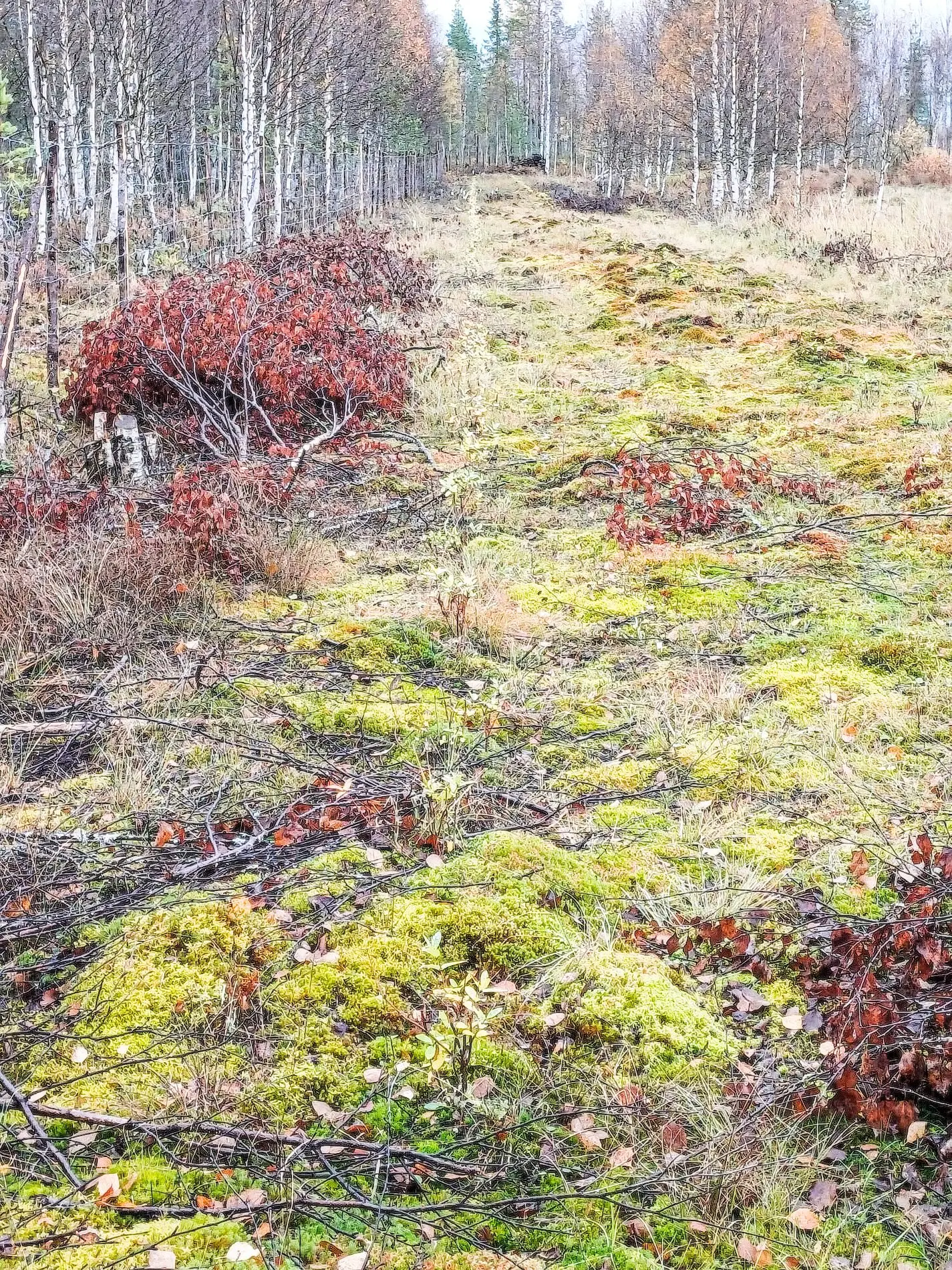
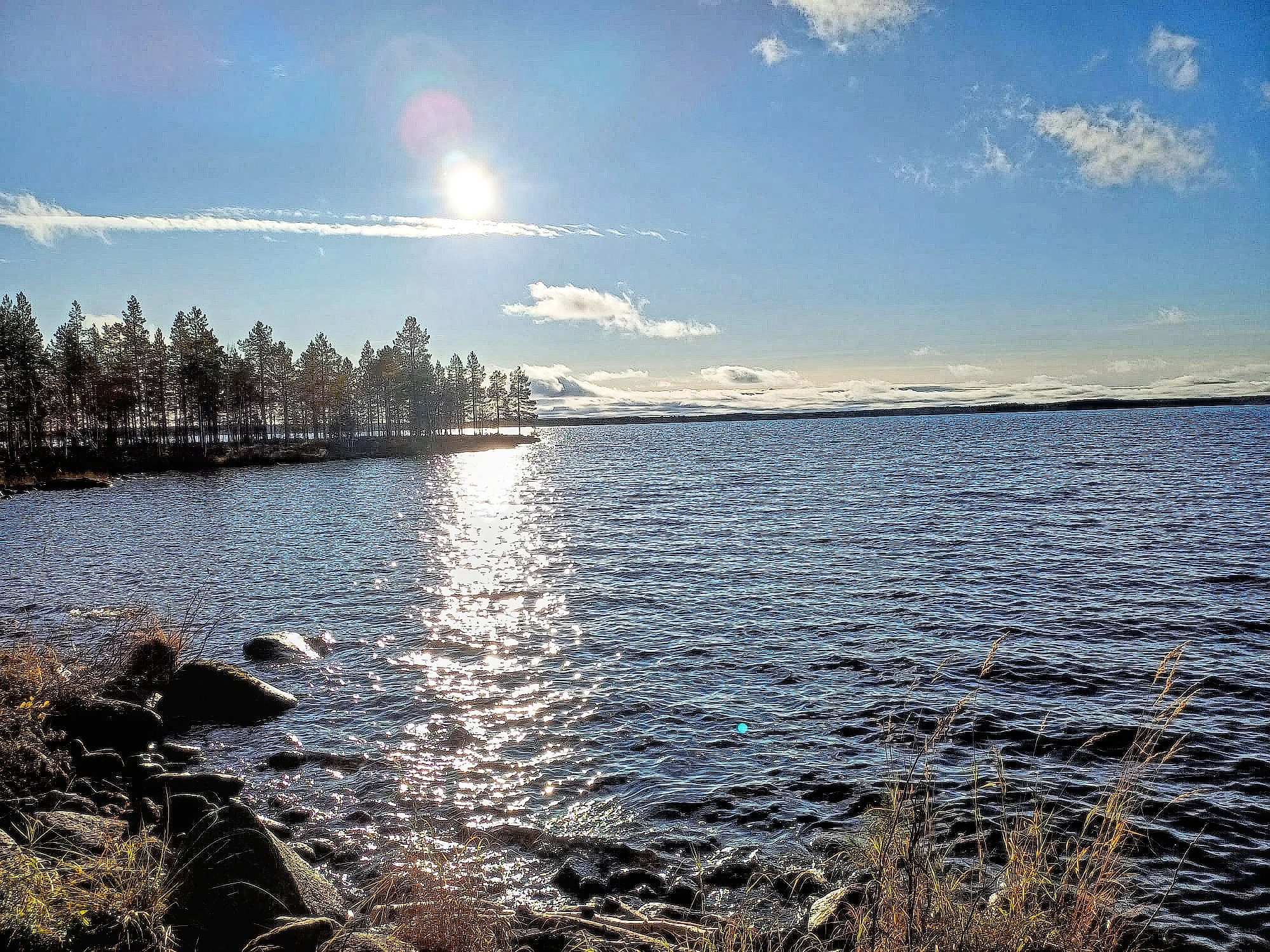
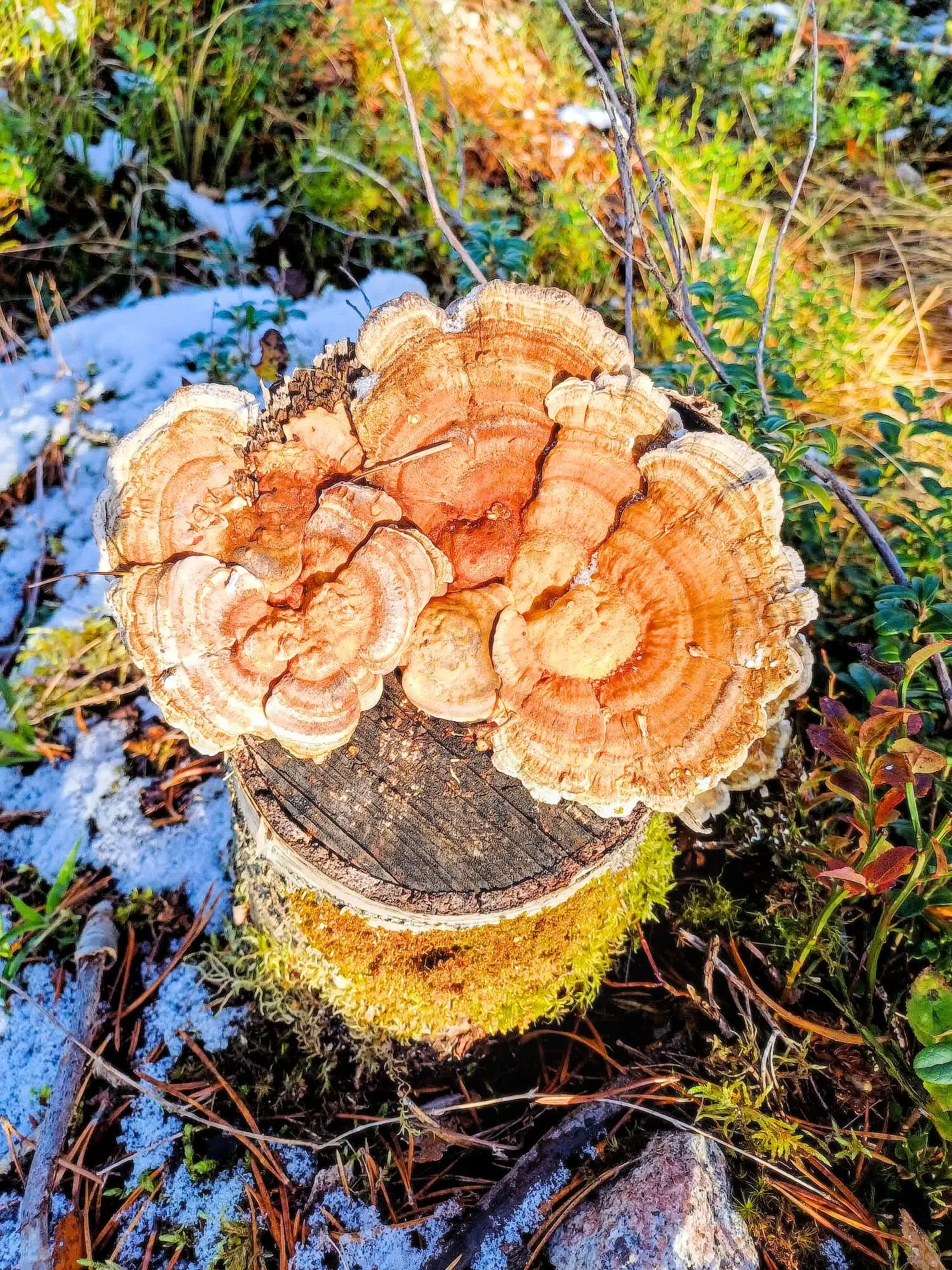
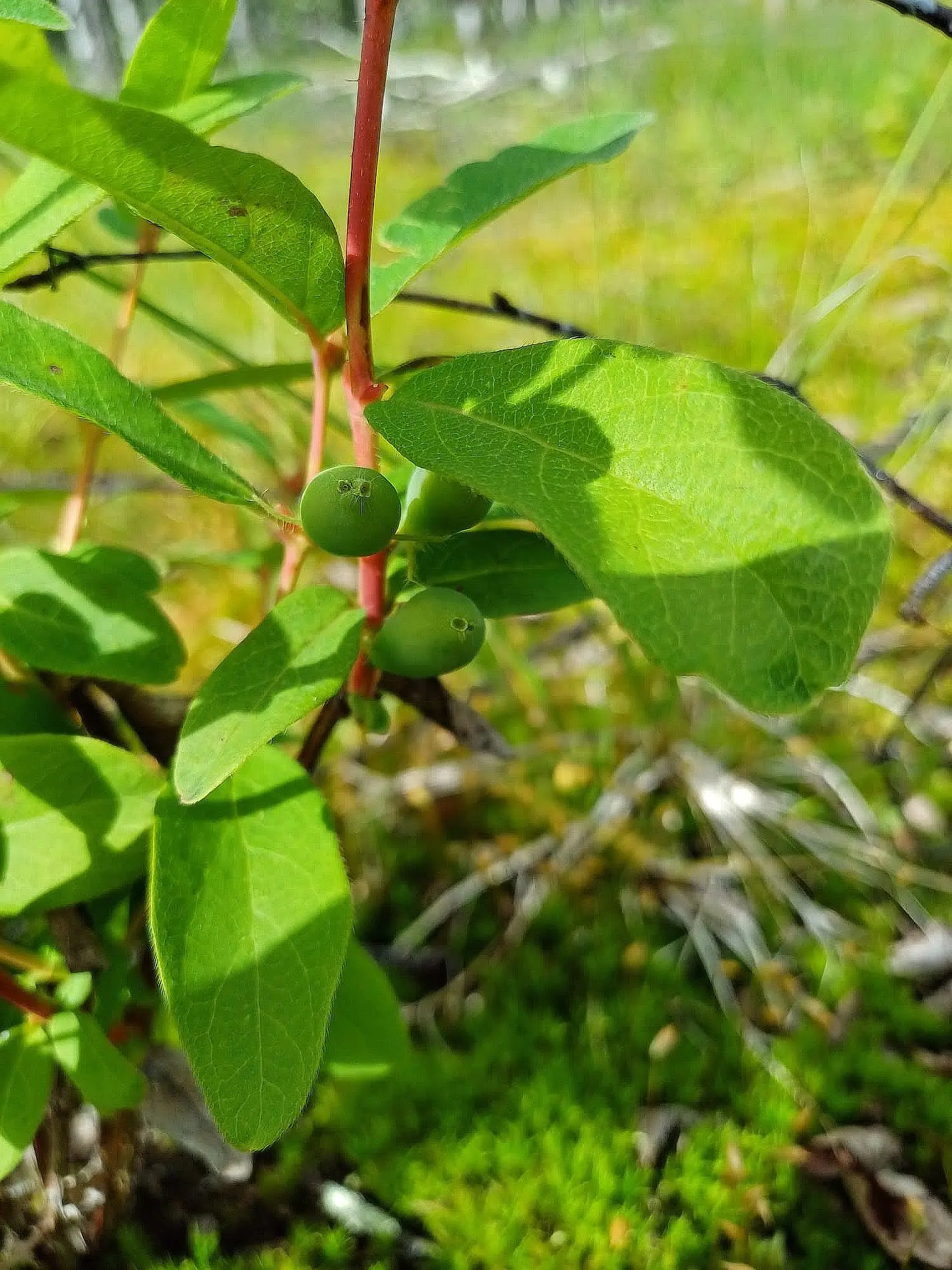
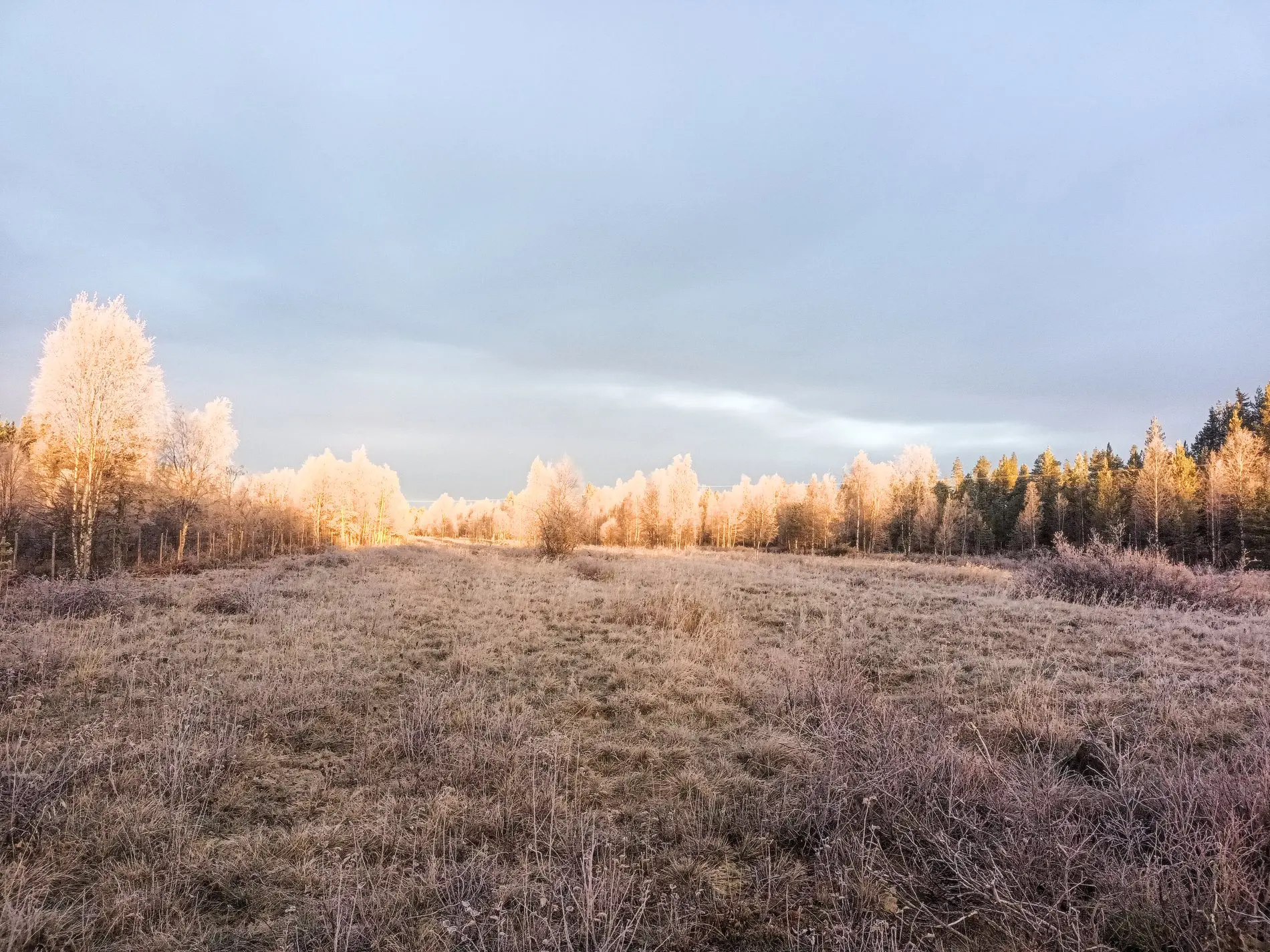
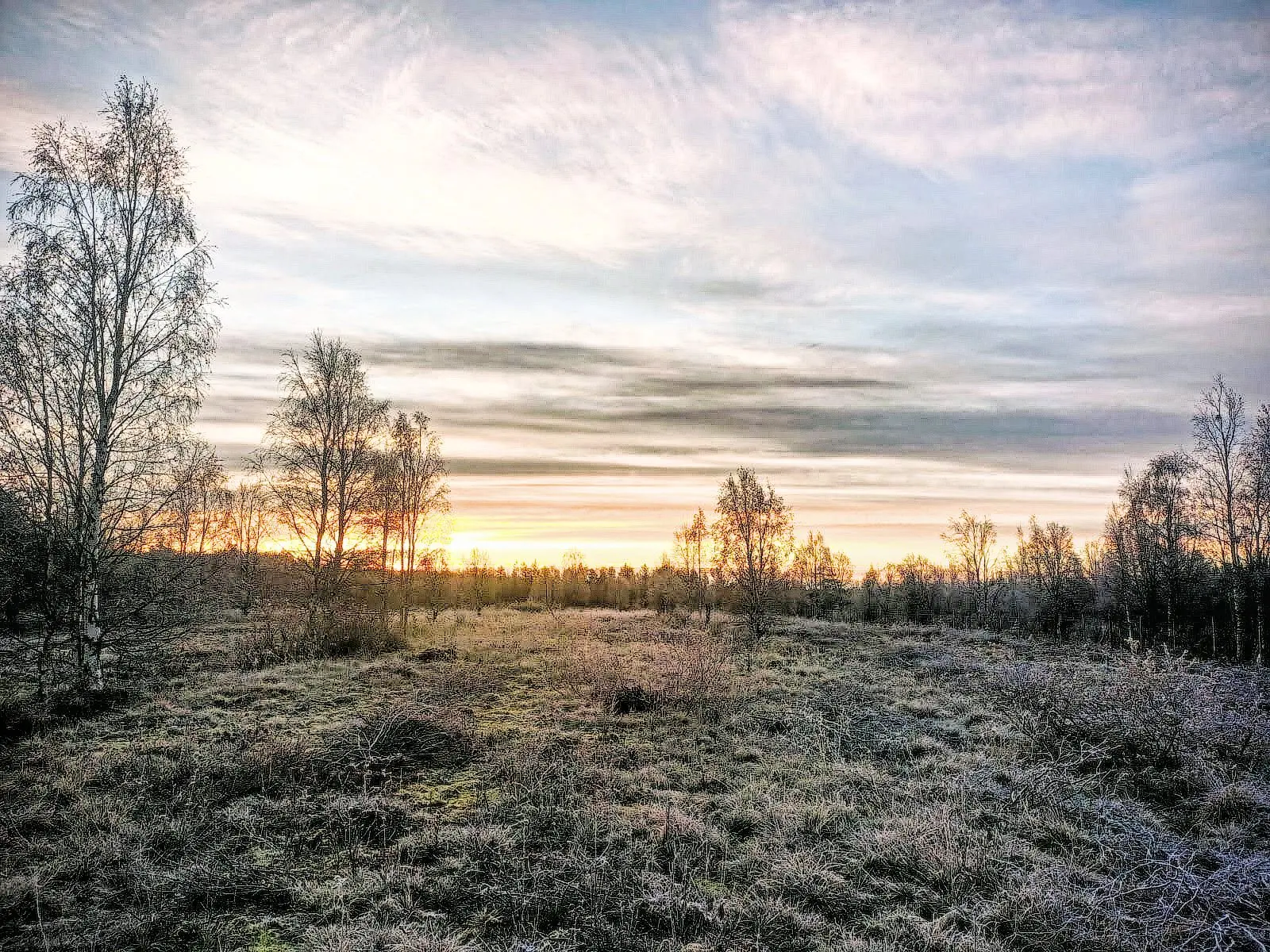
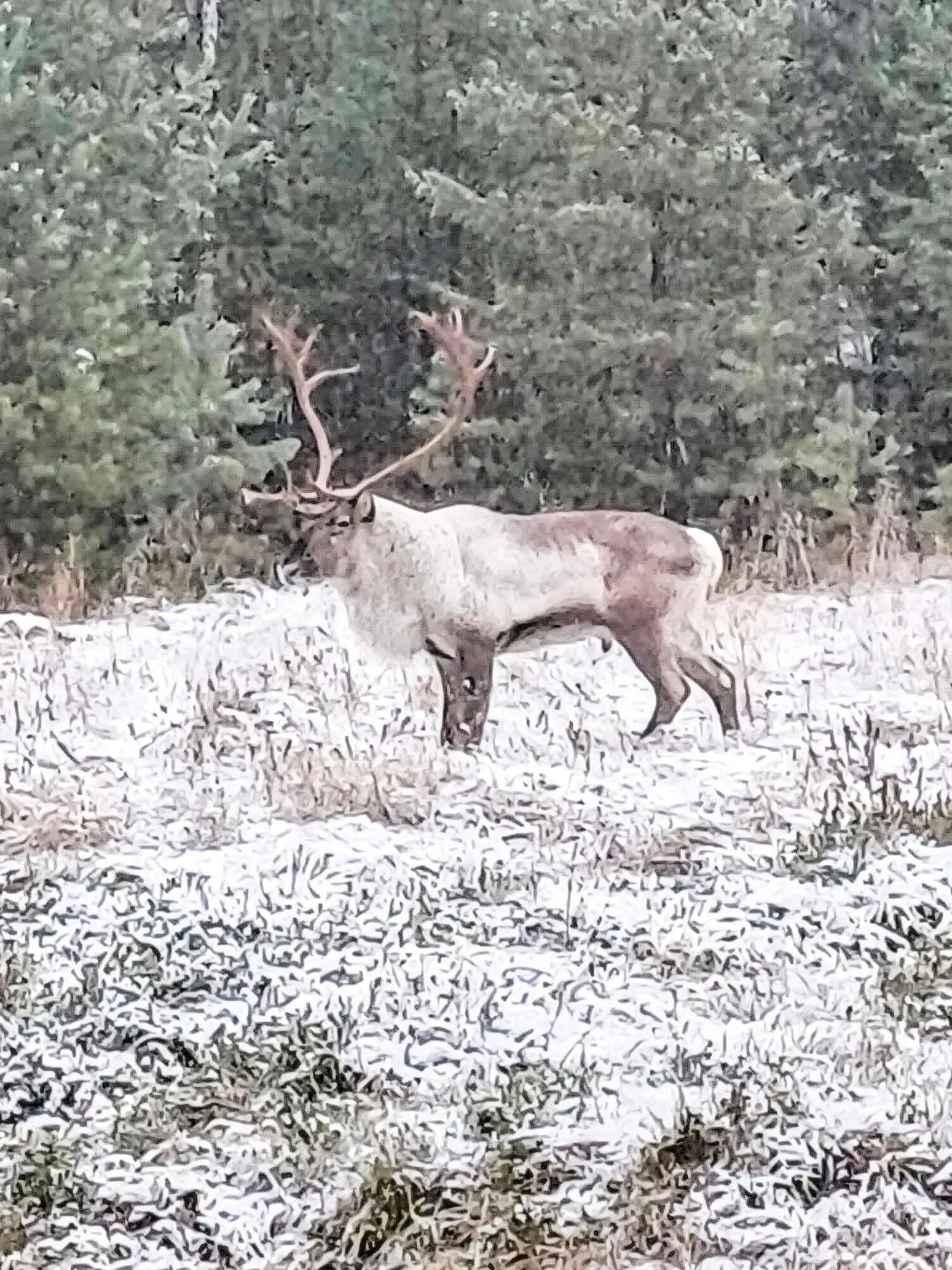
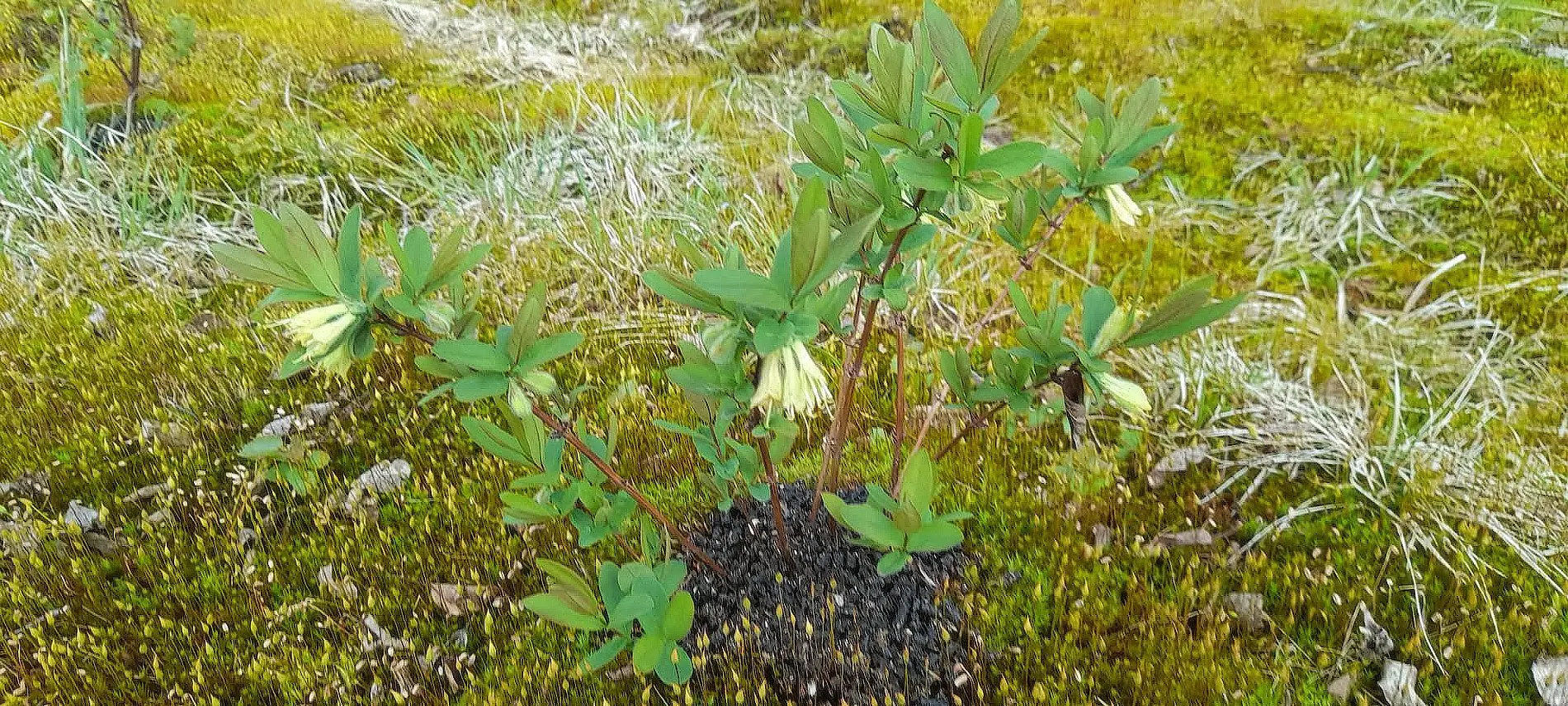
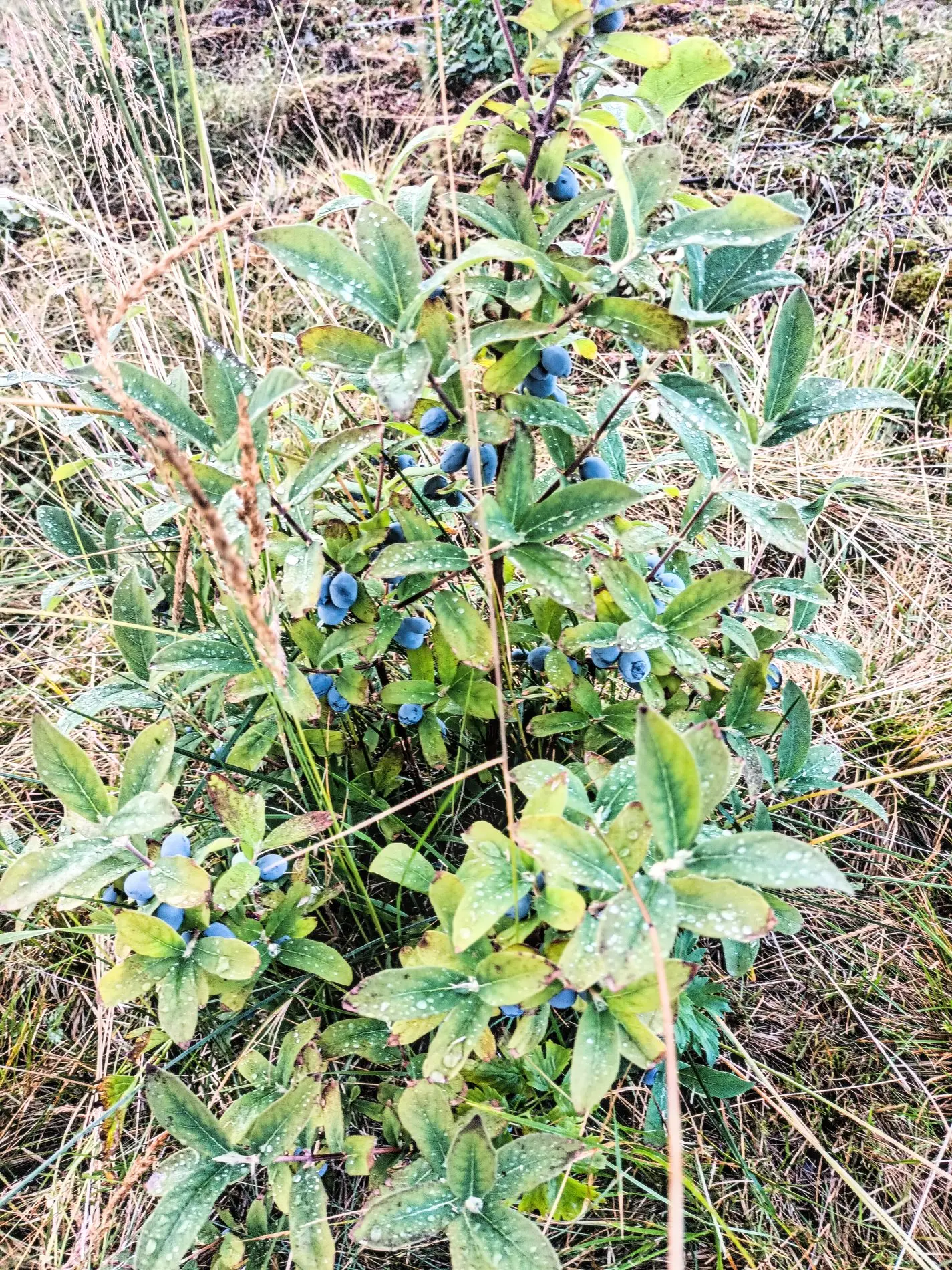
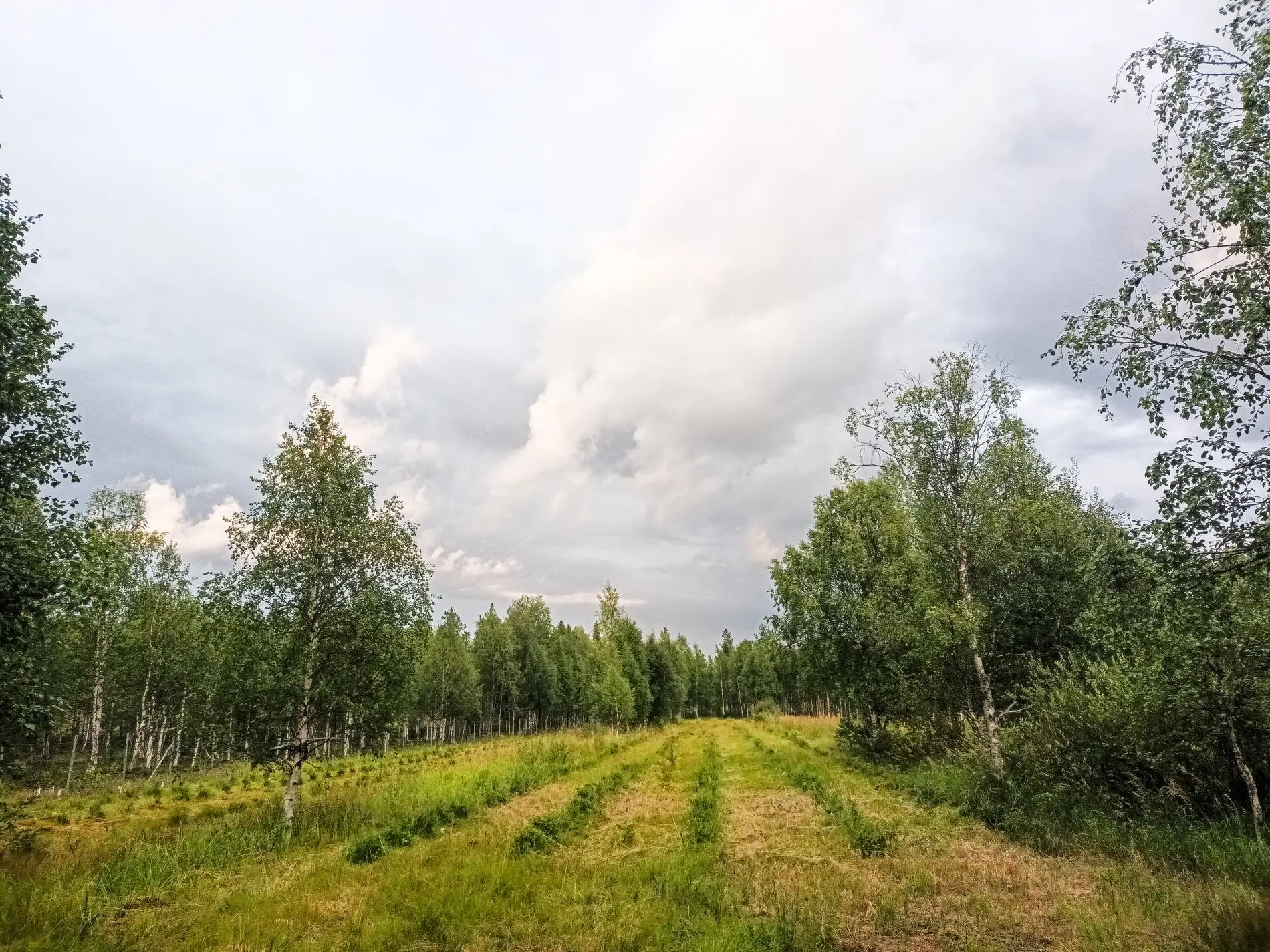
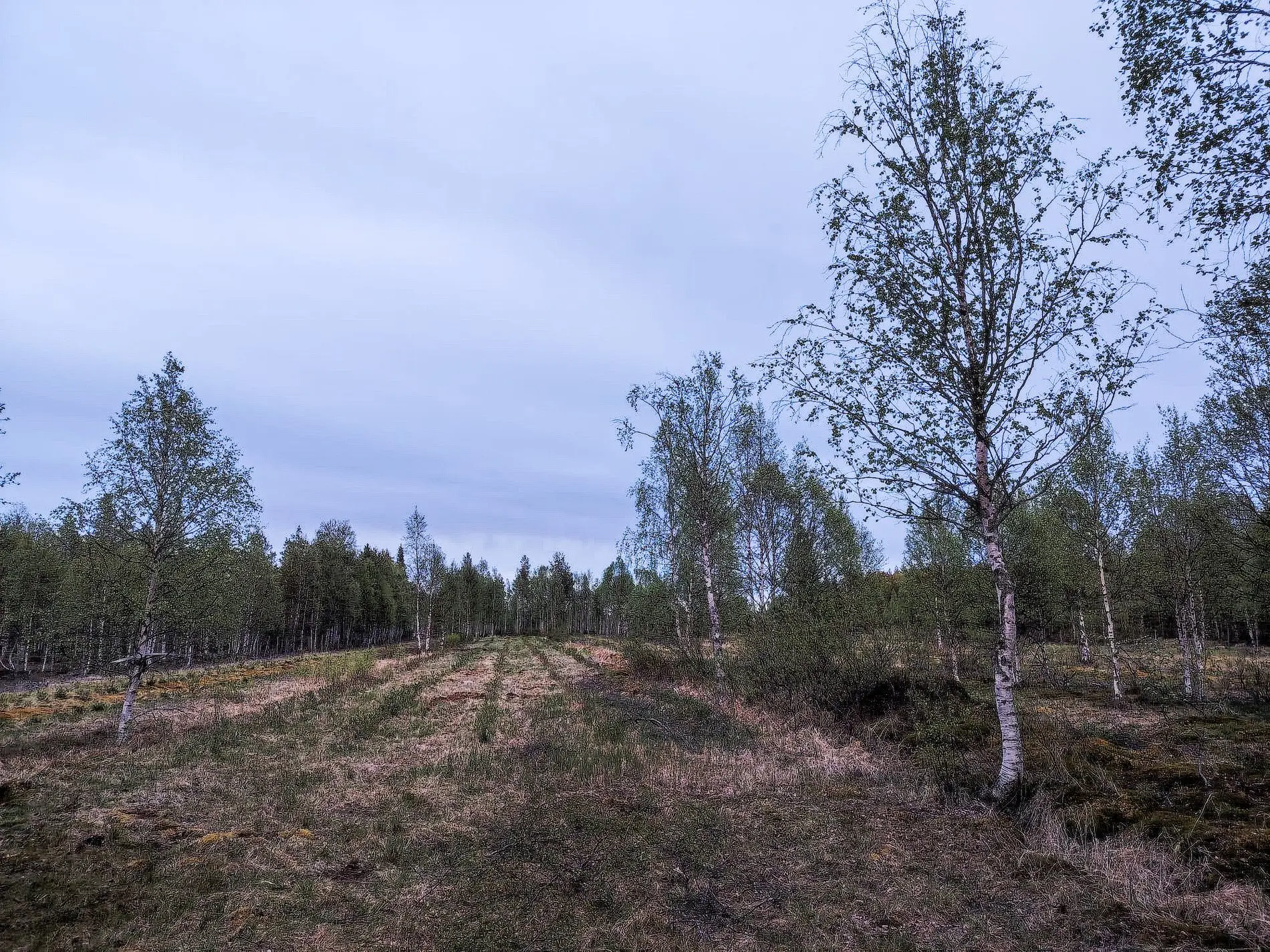
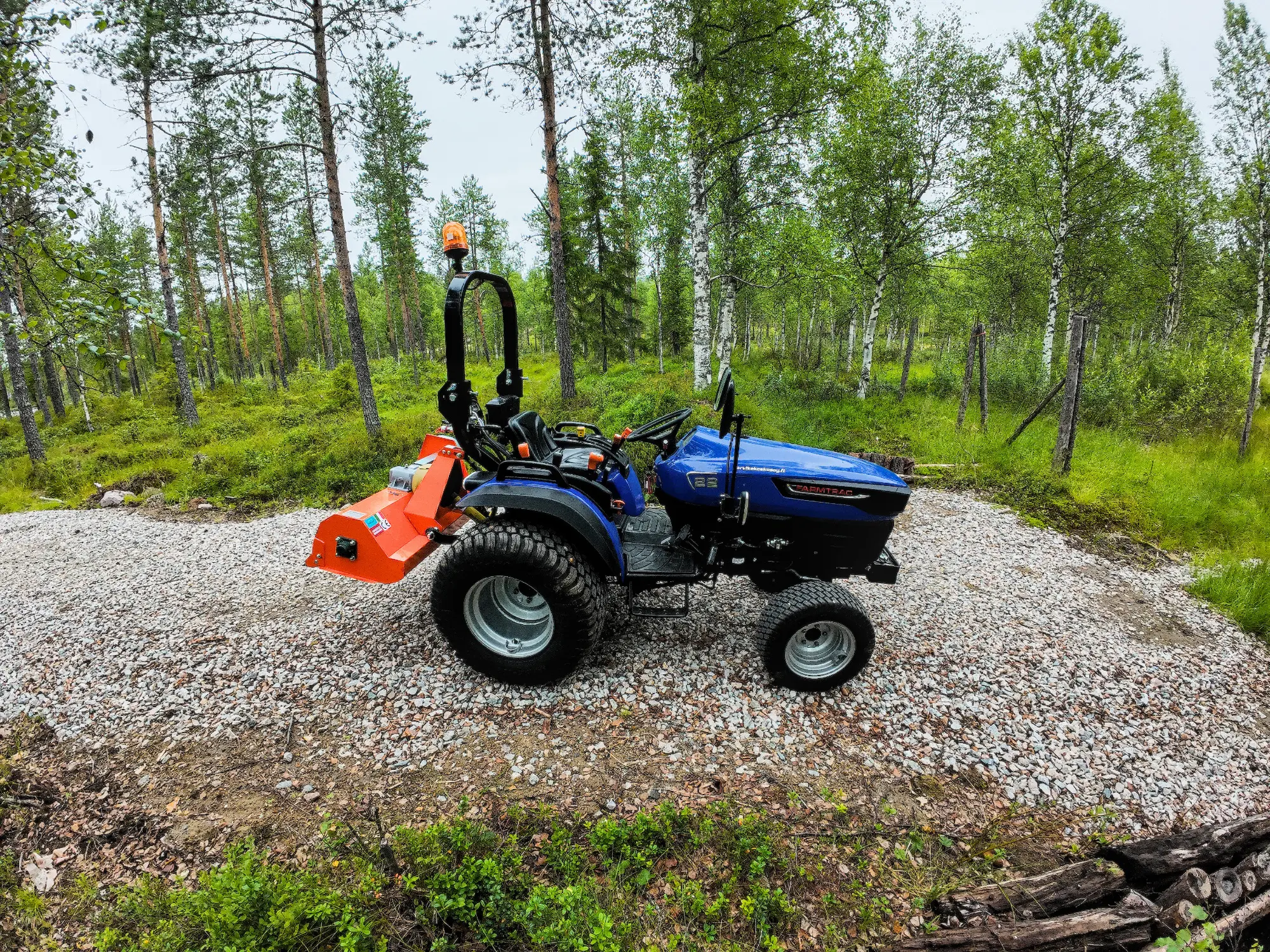
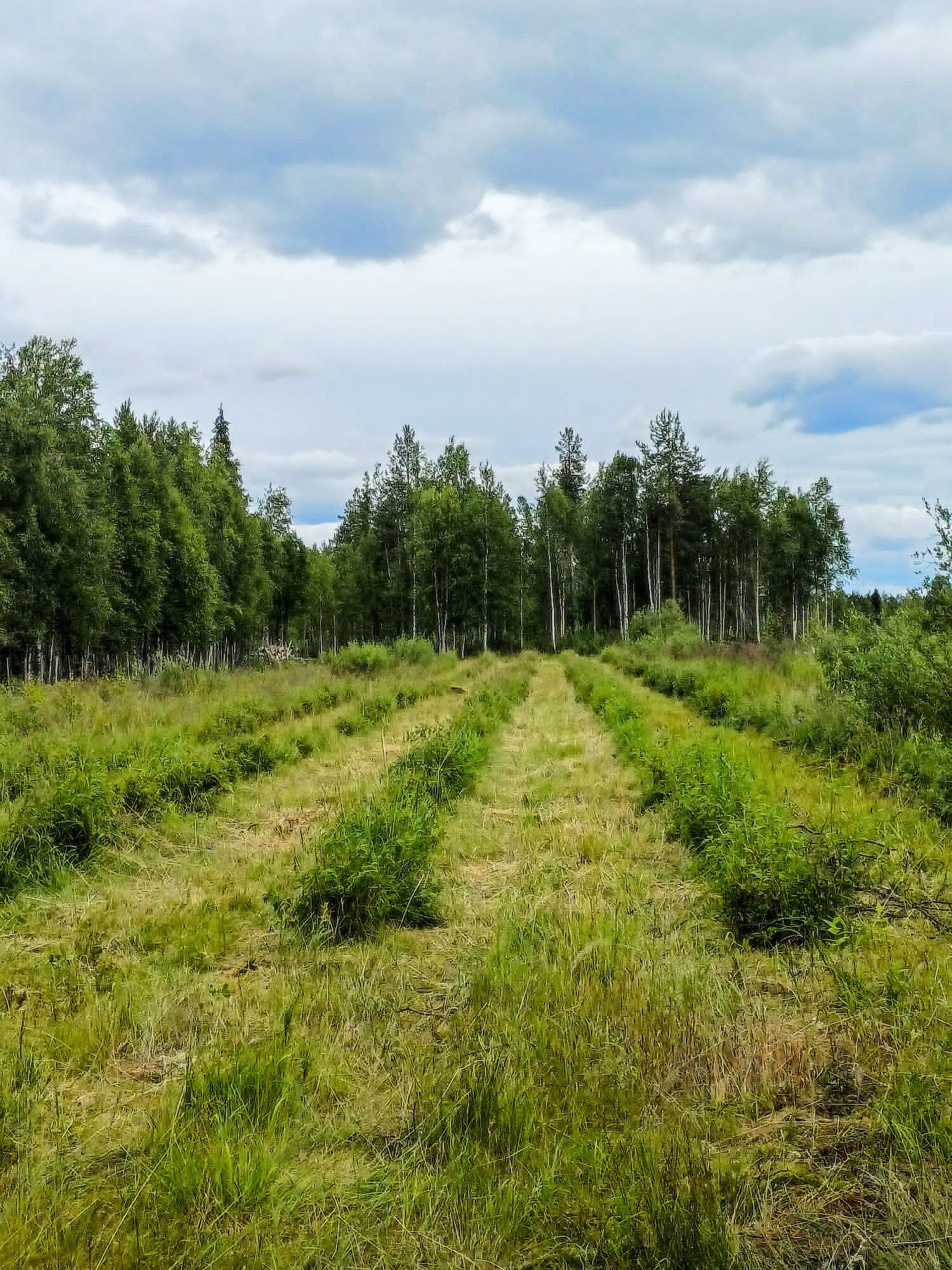
The same view in every season.
A fixed trail camera has photographed the same part of the field since October 2023 — from the short days of winter to the midnight sun, and from foxes and mountain hares to reindeer.
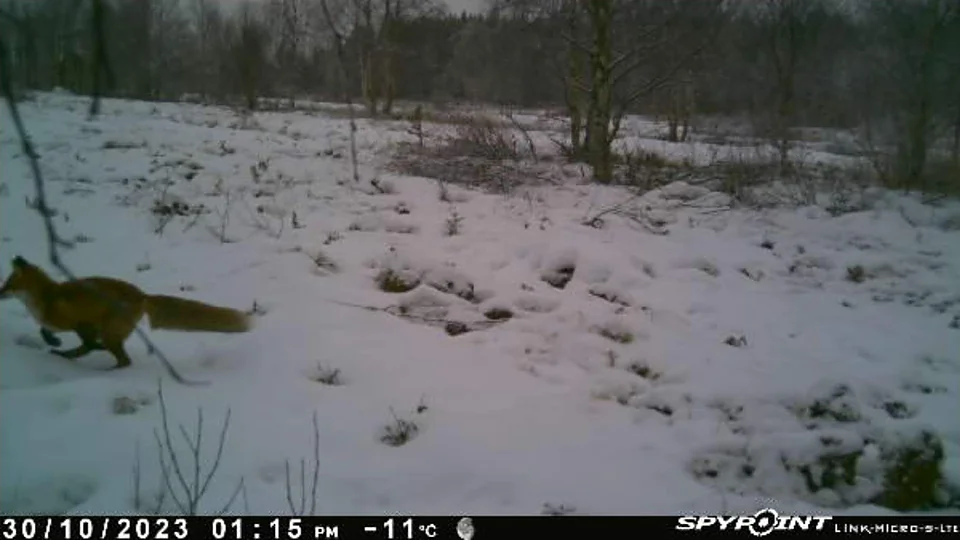
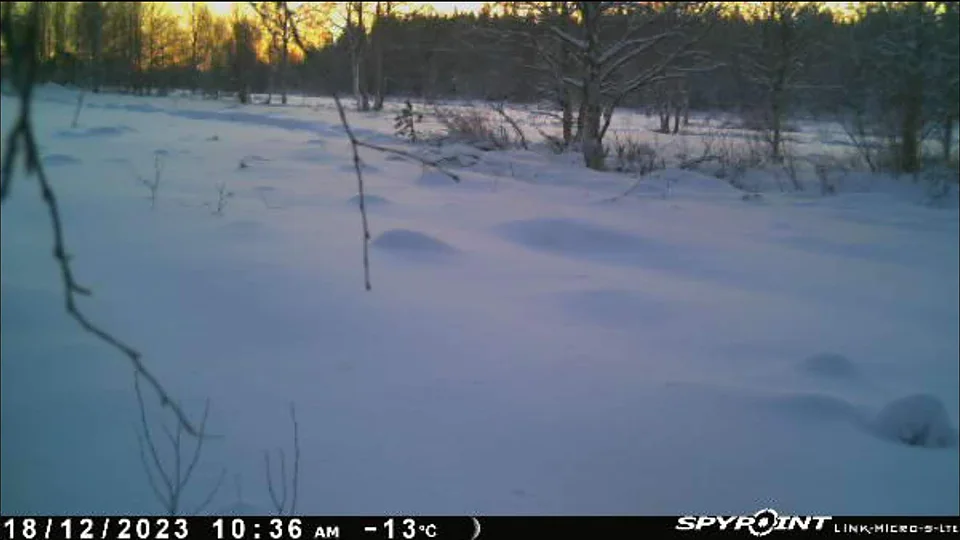
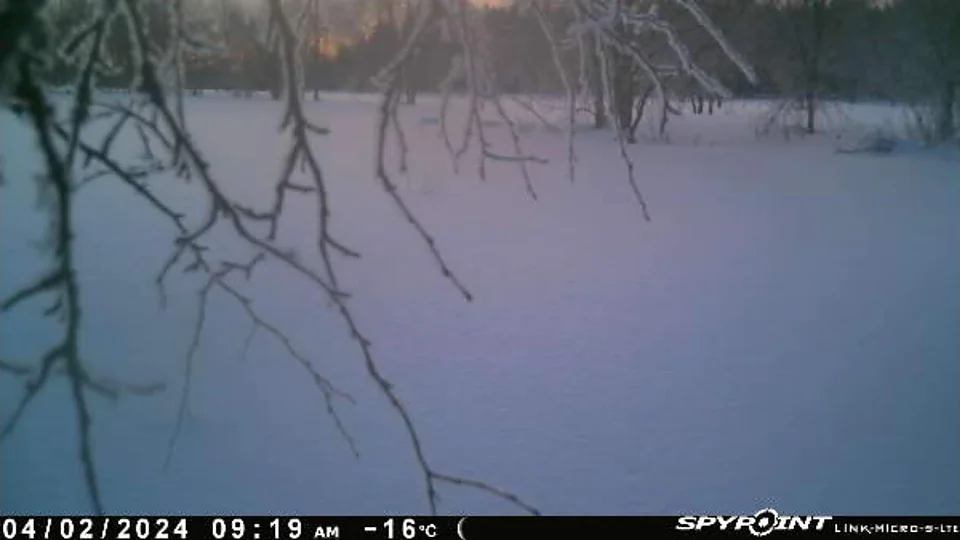
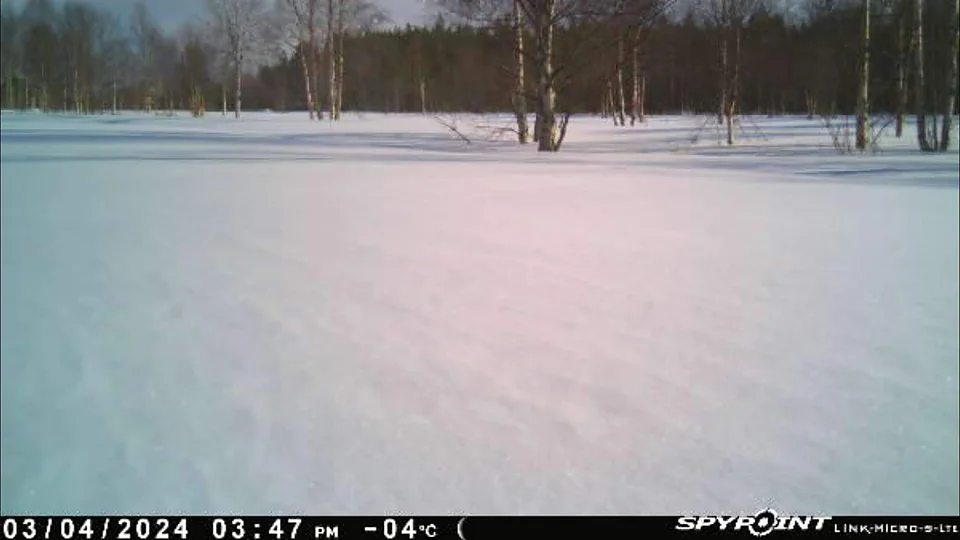
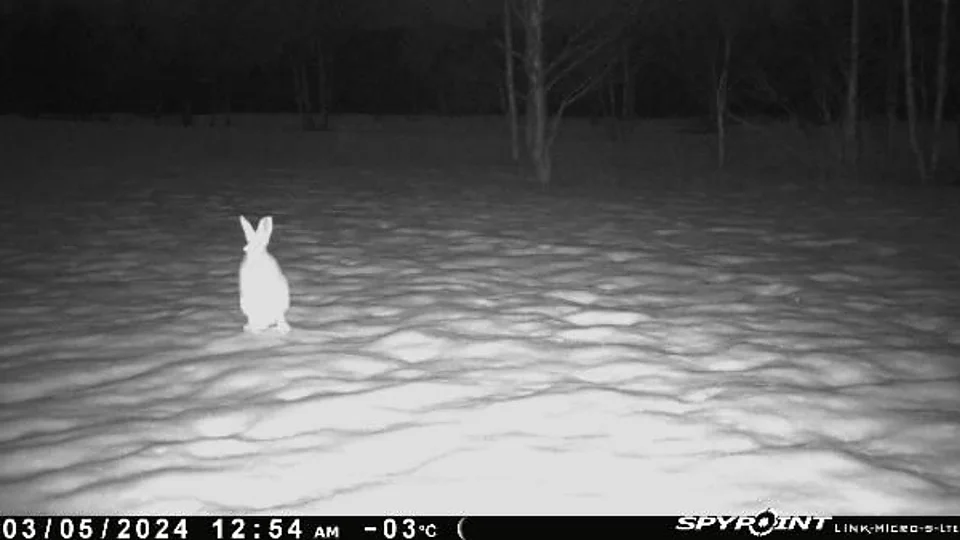
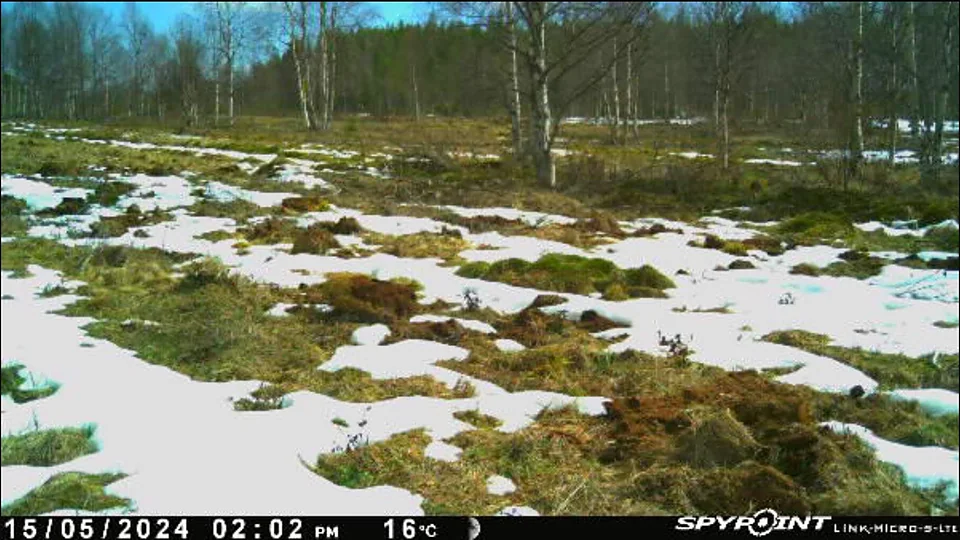
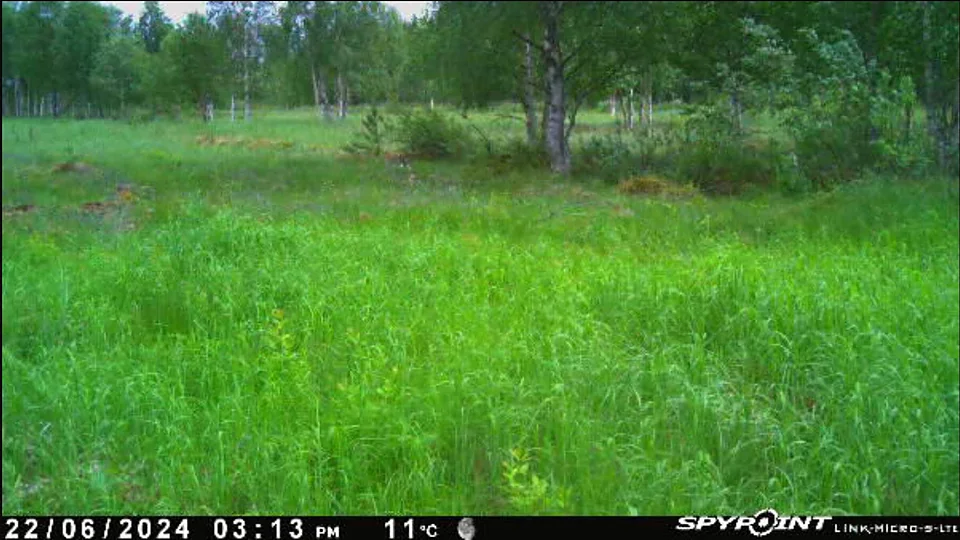
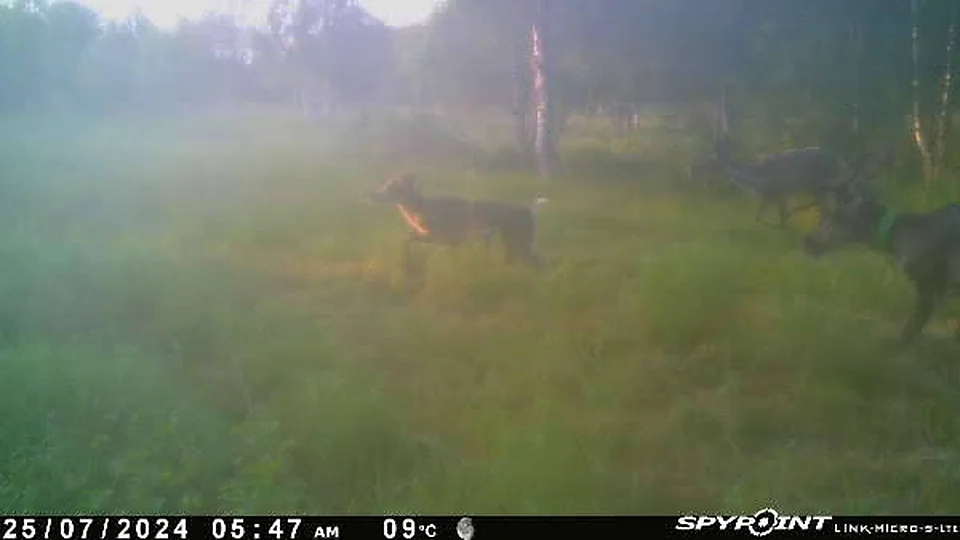
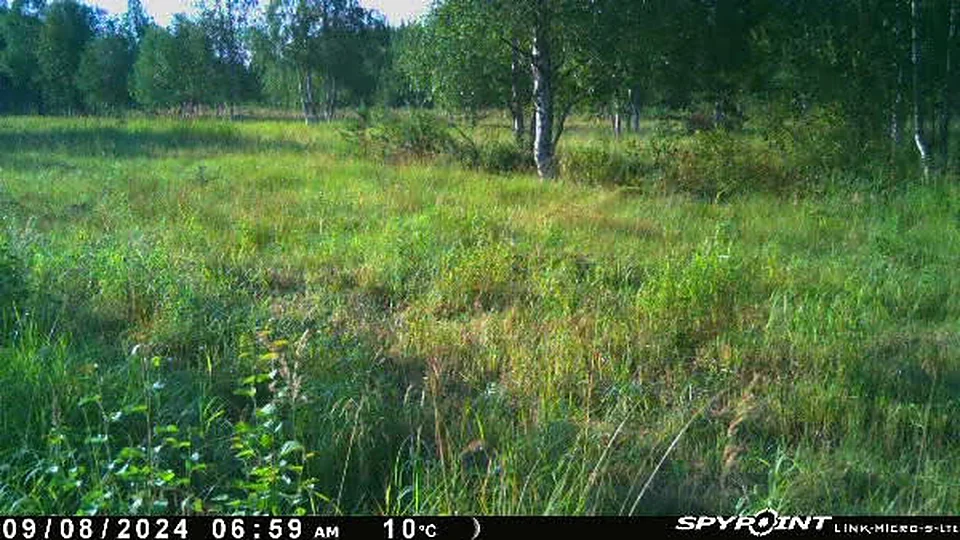
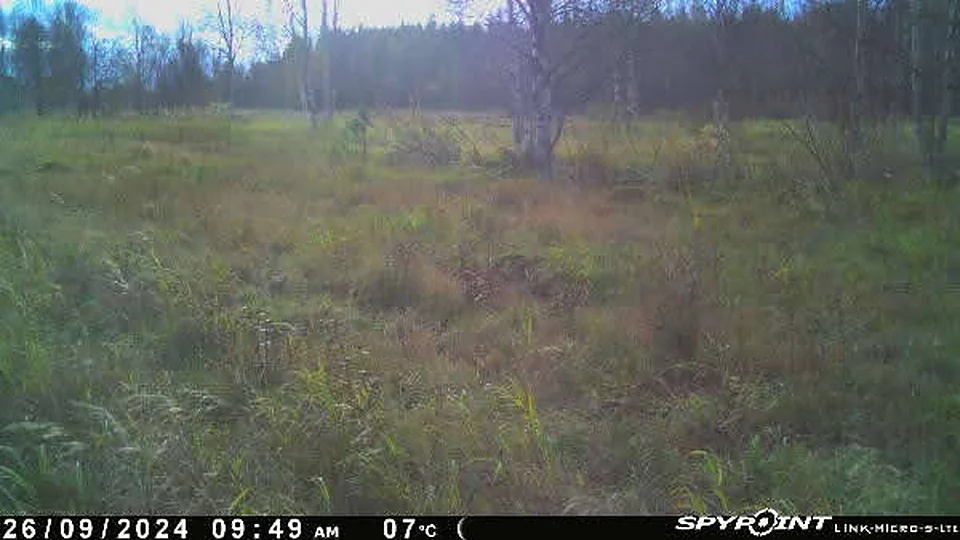
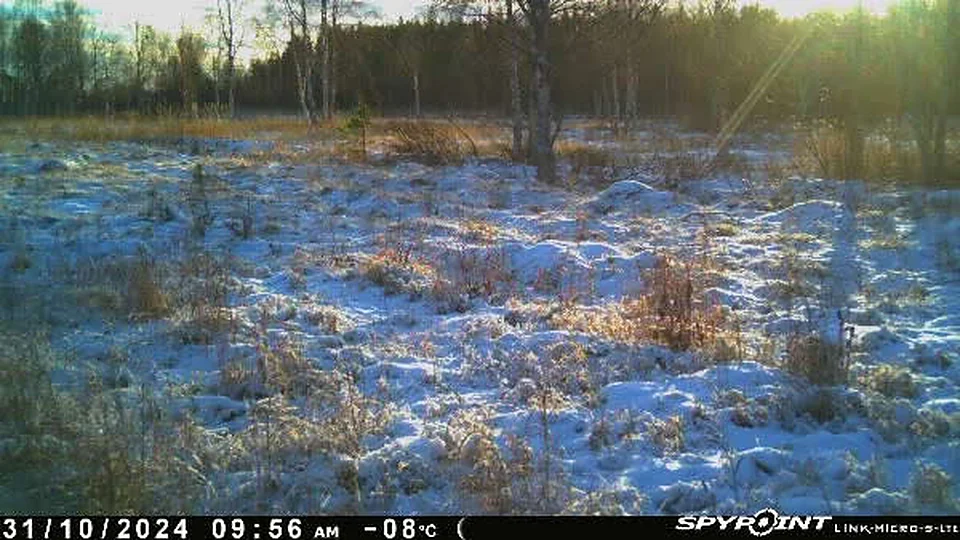
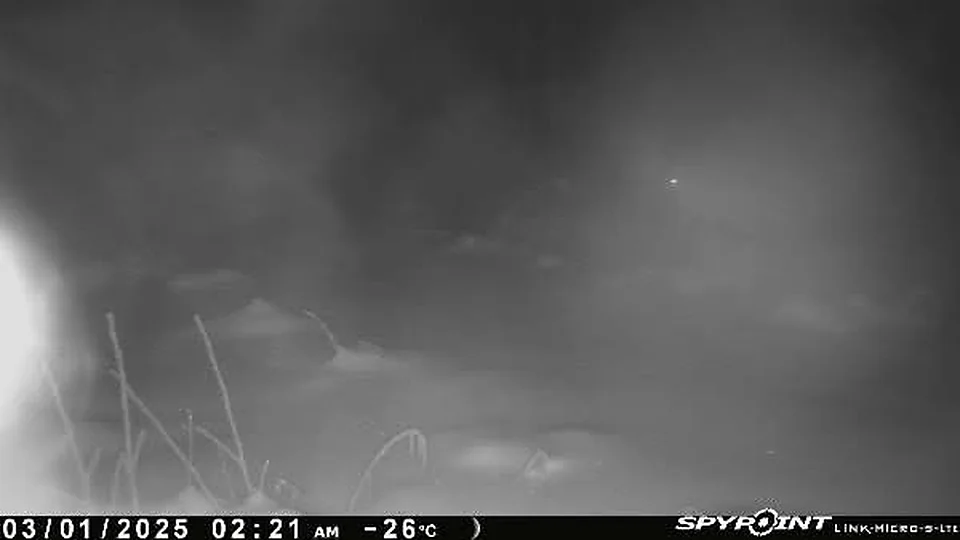
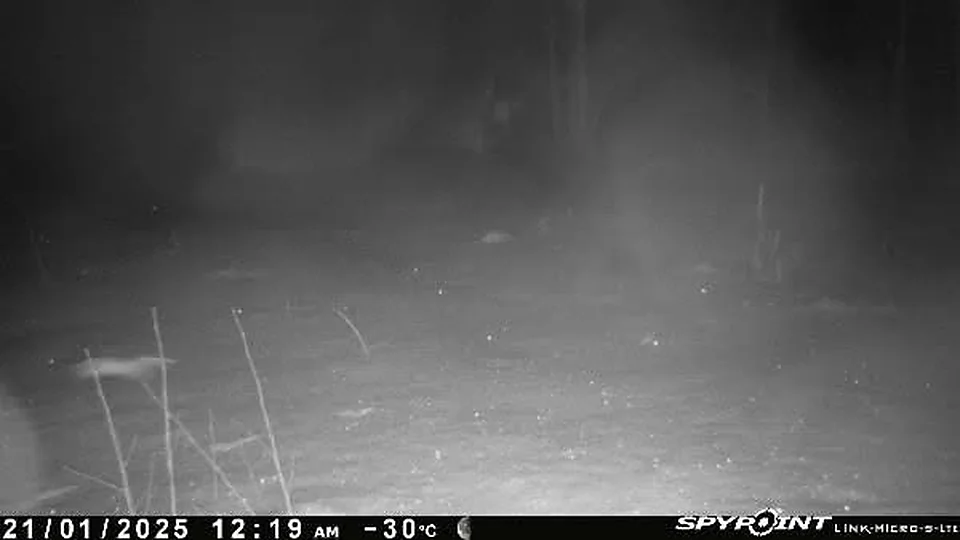
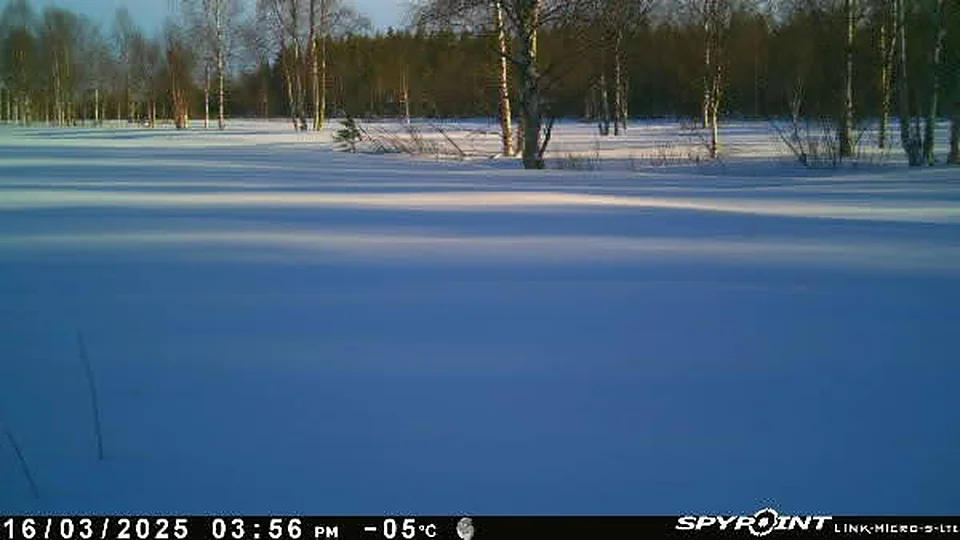
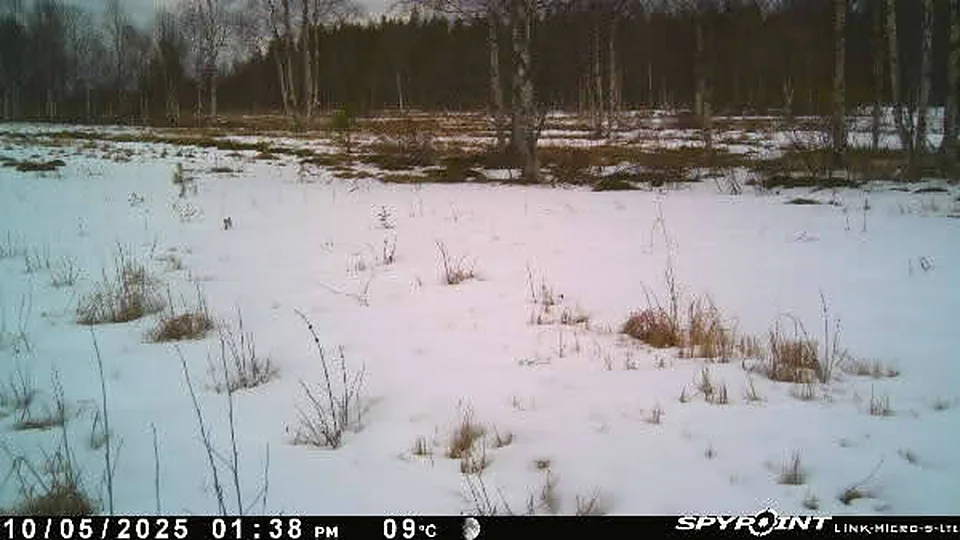
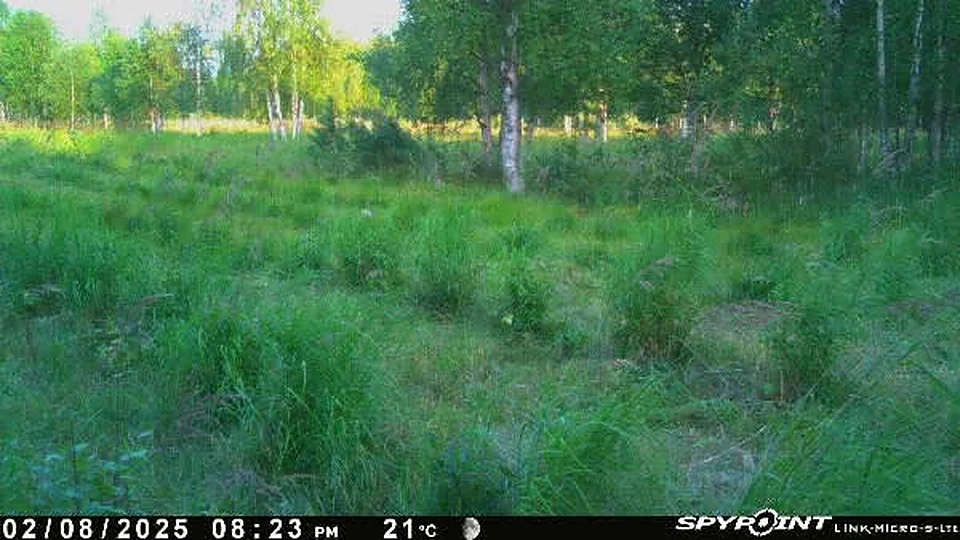
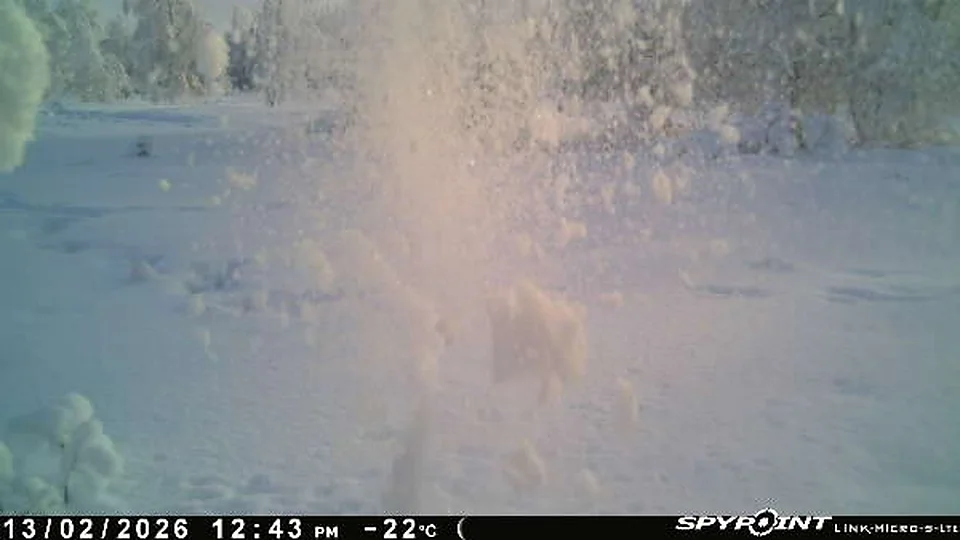
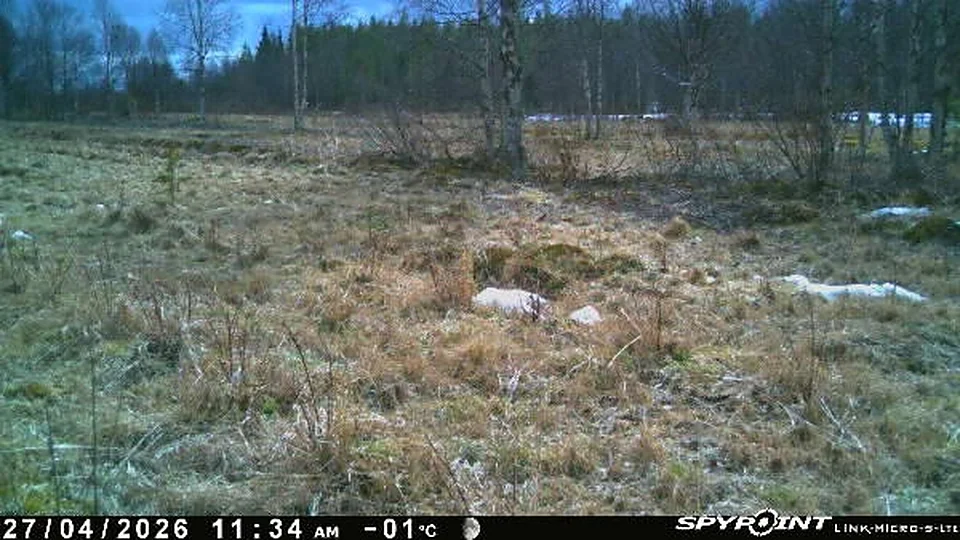
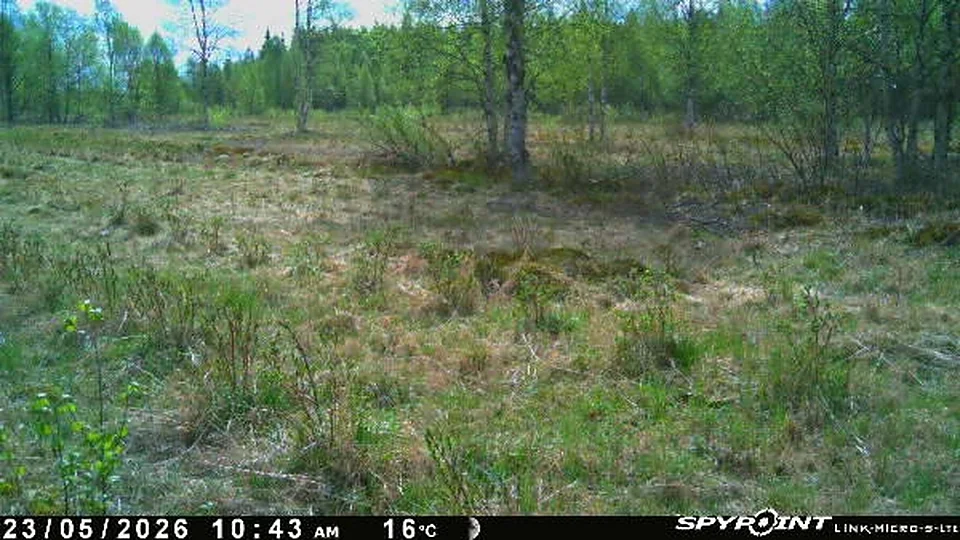
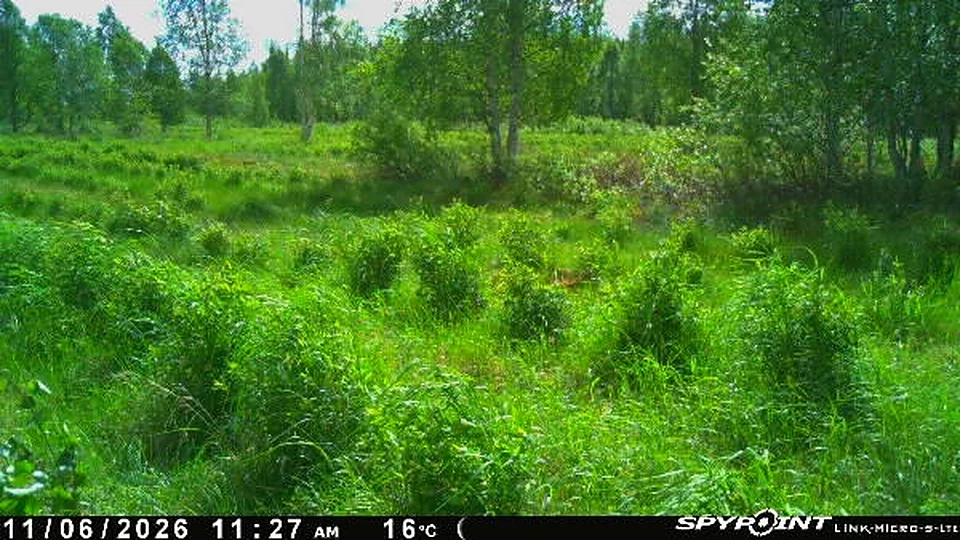
The date, time and temperature are recorded directly on each image by the camera.
Interested in our future harvest?
Get in touch if you are looking for organic Arctic haskap for products, further processing or collaboration.